
Honestly, I will never forget a student I had a few years back named Leo. Bright kid, genuinely curious, always raising his hand with interesting questions that went beyond the textbook. But when we hit fractions, something shifted. I could see the frustration building in his eyes day after day. He would get the concept during our class discussion, nod along during the examples, then completely freeze when he sat down to work independently. I had twenty-eight other students in that classroom, a stack of papers that never seemed to shrink, meetings during my planning period, and exactly forty-seven minutes of instructional time that always evaporated faster than I expected. I gave Leo every spare moment I could carve out, staying after class, offering lunch help sessions, even recording supplementary videos he could watch at home. But every night as I drove home, I knew he was sitting at his kitchen table staring at that worksheet, stuck and alone with problems that felt insurmountable without someone right there to guide him.
That sinking feeling is something every educator carries with them. You lie awake thinking about the students you could not reach that day. You replay conversations in your head, wondering if you had just explained something one more time or in a slightly different way, maybe that particular student would have finally grasped it. The truth is, teaching is fundamentally a one-to-many endeavor, but learning is deeply personal and often requires one-to-one attention that schools are simply not structured to provide at scale. We pour our hearts, our energy, and often our own money into our classrooms, but the resource math never adds up in our favor. There are always more students who need help than hours in the day to provide it.
For years, I dismissed most ed-tech solutions as clunky distractions that created more problems than they solved. Interactive whiteboards that crashed during lessons. Learning management systems that took longer to navigate than the actual content was worth. Quiz apps that gamified everything to the point of absurdity. But when someone first told me about AI agents that could act as patient, always-available teaching assistants, something clicked. The idea of a tool that could sit with Leo at nine o’clock in the evening and walk him through fraction problems step by step, never losing patience, never running out of alternative explanations, never making him feel embarrassed for needing extra help. That was the promise that finally broke through my skepticism. Platforms like Assistlore make this possible by letting any school or EdTech startup build a custom AI teaching assistant using a simple no-code builder, embed it on their website or learning portal with a single script tag, and have it automatically learn from existing course materials through real-time crawling. No technical team required, no months of setup, and a free tier that makes it accessible to schools on any budget.
So, What is an "AI Teacher," Really?
Let me tell you, Let's be real, the term "AI Teacher" is kind of terrifying. It brings up images of soulless robots. That's not what this is about. At all.
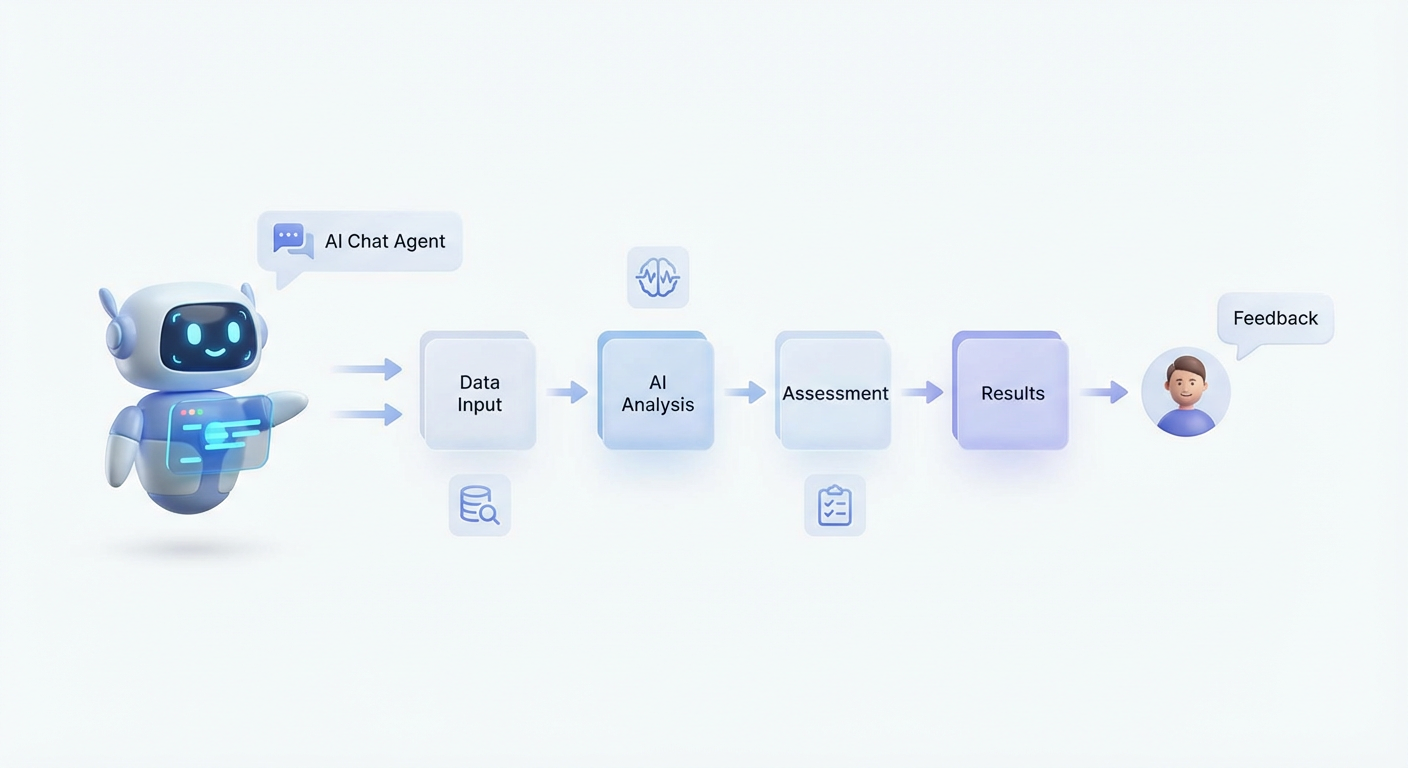
Think of it less as a teacher and more as the world's most patient and knowledgeable co-pilot. It’s a tool that works in the background. When a student gets an answer wrong, it doesn't just flash a red 'X'. It intervenes, gently. It might ask a leading question, like, "Hmm, that's close! Did you remember to carry the one?" or "Let's review what a numerator is."
Let me tell you, It's a guide that can offer unlimited practice problems, explain a concept in three different ways, and celebrate a small victory with digital confetti. It's what I wish I could be for every student, every minute they need me.
For the Sprinters and the Hikers
Honestly, Every classroom has them. The sprinters who blaze through the material and get bored, and the hikers who need to take their time, look at the map, and make sure their footing is secure. For years, we’ve tried to teach them both at the same time, a strategy that often fails everyone.
So This is where an AI guide is a total game-changer. It naturally creates different paths:
- For the Sprinter: The AI sees they've mastered the lesson and introduces a more complex challenge or a real-world application. They stay engaged instead of getting disruptive.
- For the Hiker: The AI notices a struggle and offers a different video, a simpler problem, or a quick review of a foundational skill they missed last year. They get to build their confidence without the classroom pressure.
"I used to feel so self-conscious asking for help again. Having the AI let me practice until I actually 'got it' made all the difference. I finally feel like I'm not behind anymore." - A student's feedback
More Time for the Human Moments
Let me tell you, I think You know So if the AI is handling the repetitive practice and instant feedback, what's left for us teachers? Everything that matters.
Imagine walking into class and your dashboard already shows you that five kids are struggling with Topic A and three kids are ready for Topic C. The grunt work is done. Your time is now free for:
The things only a human can do.
Like pulling that group of five aside for a focused mini-lesson. Like having a deep conversation with a student about their goals. Like noticing a student is having a bad day and just checking in. Like designing a creative, hands-on project that sparks genuine curiosity.
Honestly AI handles the logistics of learning; we get to handle the art of teaching.
How Schools Can Get Started Today
Implementing an AI teaching assistant might sound like a massive undertaking that requires district-level approval, IT department involvement, and months of planning. But the reality is much simpler, especially with platforms like Assistlore that were designed for exactly this kind of rapid deployment. The entire setup process takes less than an hour, requires no coding knowledge, and can start with a single classroom before expanding to an entire school.
The first step is identifying where AI assistance would have the most immediate impact. For many schools, this is homework help and after-hours support. Students who struggle with assignments at home have nowhere to turn when the teacher is unavailable. An AI agent embedded on the school website or learning management system can provide that safety net, guiding students through problems using the same materials and methods their teachers use in class. Assistlore's auto-crawl feature means the agent learns directly from existing course content, lesson plans, and educational resources without teachers having to create anything new.
The second step involves configuring the agent's personality and approach to match your school's educational philosophy. Some schools prefer a Socratic method where the AI asks guiding questions rather than providing direct answers. Others want step-by-step explanations that mirror how the teacher presents material in class. Assistlore's no-code builder makes these adjustments straightforward, with pre-built templates designed specifically for educational contexts and the flexibility to customize every aspect of the interaction.
The third step is embedding the agent where students will actually use it. This could be the school website, a class blog, the learning management system, or even a parent communication portal. With a single script tag, the AI agent appears exactly where it is needed, styled to match the school's branding and accessible on any device. The free tier means schools can pilot the technology without budget approval, demonstrating its value before committing to a larger deployment.
Real Results from Real Classrooms
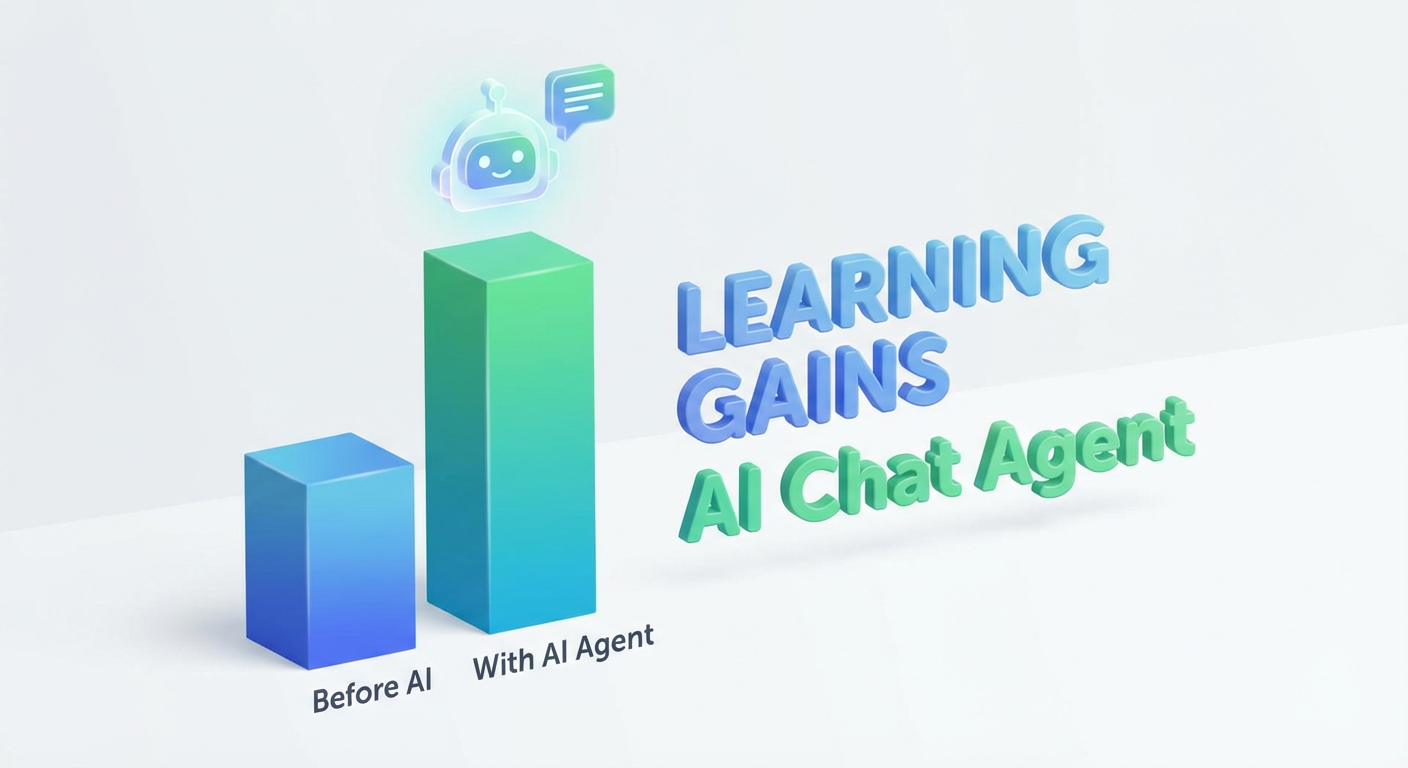
The evidence for AI-assisted learning continues to grow. Schools that have implemented AI teaching assistants report measurable improvements in student performance, particularly among students who previously struggled with traditional instruction methods. Completion rates for homework assignments rise because students have access to help when they need it most. Test scores improve because practice is no longer limited to classroom hours. And perhaps most importantly, student confidence grows because they experience success more frequently.
Teachers report significant reductions in repetitive question-answering, freeing them to focus on creative lesson planning, individual student relationships, and the kind of mentoring that makes the biggest difference in young lives. The analytics provided by platforms like Assistlore give teachers unprecedented visibility into where their students are struggling, allowing them to intervene early and effectively rather than discovering problems only after a failing grade.
The Big Questions in the Teacher's Lounge
"Okay, but really. Is it going to take my job?"
Let me tell you, No. Full stop. An AI can't manage a classroom, inspire a love of history, mediate a friendship dispute, or notice the creative spark in a quiet kid. It's a tool. A powerful one, yes. But a hammer never replaced a carpenter.
"Isn't this just another screen for kids to stare at?"
I worry about that too. But I see this as a way to make screen time more active and productive. Instead of passively watching videos, they are actively problem-solving. And if it means more quality, face-to-face time with me in the classroom, that's a trade-off I'm willing to make.
Where We Go From Here
Honestly This isn't about plugging in a robot and walking away. It's about being thoughtful and intentional. It's about using technology to amplify our own abilities and, most importantly, to give our students the support they deserve.
I think about students like Leo all the time. I imagine him at his kitchen table, but this time, he’s not alone. A friendly guide pops up, helps him find his mistake, and he finally solves the problem. It’s a small moment, but it’s everything. That’s not a threat to my job; that's a dream come true.